Yala National Park, nestled in the southeastern corner of Sri Lanka, stands as one of Asia’s most spectacular wildlife sanctuaries. Home to the world’s highest concentration of leopards and an incredible diversity of fauna, timing your visit correctly can mean the difference between an ordinary safari and an extraordinary wildlife encounter. Understanding the best time to do a Yala Safari is crucial for maximizing your chances of witnessing these magnificent creatures in their natural habitat.
This comprehensive guide explores the seasonal variations, weather patterns, and wildlife behaviors throughout the year, helping you plan the perfect safari adventure tailored to your wildlife viewing priorities.
Understanding Yala’s Seasonal Calendar
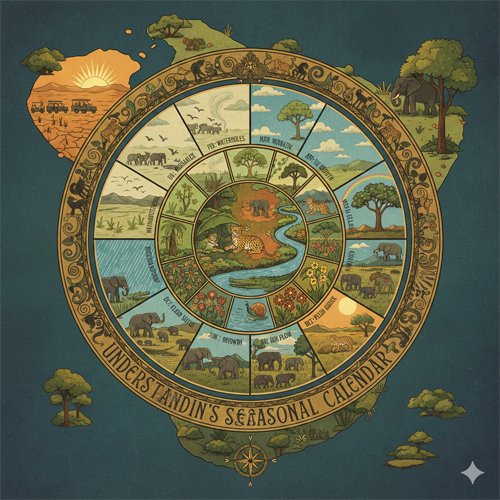
Yala National Park experiences two distinct seasons that dramatically influence wildlife activity and visitor experiences. The park operates year-round, except during its annual closure period, making timing essential for safari planning.
Dry Season (February to July)
The dry season represents the absolute best time to do a Yala Safari for wildlife enthusiasts. As water sources diminish across the landscape, animals congregate around the remaining waterholes and reservoirs, creating exceptional viewing opportunities.
Key characteristics of the dry season include:
- Sparse vegetation providing clear sightlines for photography and observation
- Predictable animal movements around water sources
- Higher leopard sighting rates, particularly during early morning and late afternoon safaris
- Comfortable temperatures ranging from 25-35°C (77-95°F)
- Minimal rainfall ensuring consistent safari schedules
Peak months within the dry season are February through June, when wildlife concentrations reach their zenith. Many safari operators and wildlife photographers consider May and June the optimal months for leopard sightings, as these elusive cats become more active and visible near watering holes.
Wet Season (October to January)
The northeast monsoon brings significant rainfall to Yala between October and January, transforming the landscape into a lush, verdant ecosystem. While this period presents challenges for wildlife viewing, it offers unique advantages for specific interests.
Wet season advantages include:
- Dramatically reduced visitor numbers, providing a more intimate safari experience
- Lower accommodation and safari package prices
- Spectacular birdwatching opportunities with migratory species arriving
- Vibrant landscapes perfect for nature photography
- Newborn animals and active breeding behaviors
However, wildlife disperses across the expanded terrain, making sightings more challenging. Dense vegetation can obstruct viewing, and heavy rains may occasionally disrupt safari schedules.
Month-by-Month Wildlife Guide
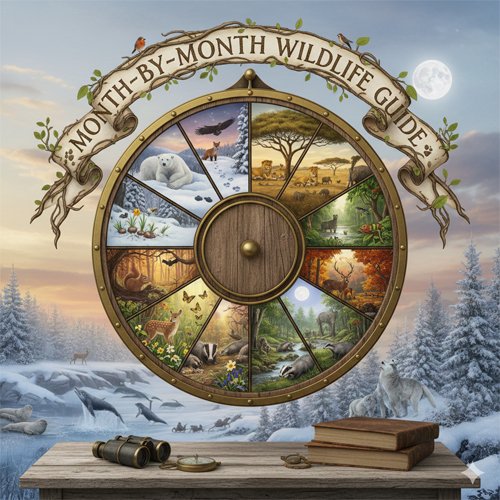
Each month in Yala offers distinct wildlife experiences. Here’s a detailed breakdown to help determine the best time to do a Yala Safari based on your specific interests:
February – March: Peak Leopard Season
As Yala reopens after its September closure, February marks the beginning of prime wildlife viewing. Water scarcity intensifies, concentrating animals around permanent water sources. Leopard activity peaks during these months, with sightings reported on over 70% of safaris. Elephants gather in large herds, and sloth bears emerge more frequently in search of termite mounds and water.
April – June: Ultimate Wildlife Concentration
These months represent the absolute best time to do a Yala Safari for serious wildlife enthusiasts. Extreme heat and drought push animals to the few remaining water sources, creating spectacular congregation points. Leopards become highly visible as they patrol territories around waterholes. Large crocodile populations bask on reservoir banks, and water buffalo herds dominate the diminishing wetlands. Photography conditions are exceptional with clear skies and optimal lighting.
July – August: Shoulder Season Transition
Early monsoon showers begin in late July, though the dry season’s benefits largely remain. Wildlife viewing stays excellent through early August, with slightly fewer visitors creating more relaxed safari conditions. This transitional period offers balanced weather and strong wildlife activity before the park’s September closure.
September: Annual Closure
Yala National Park closes entirely during September for maintenance, conservation activities, and to allow wildlife undisturbed breeding time. This closure is non-negotiable, so plan accordingly. Alternative parks like Wilpattu and Udawalawe remain open for safari activities during this period. Our guide to a safari in Sri Lanka compares every major park and shows which ones are at their best each month.
October – December: Monsoon Season
Heavy rainfall transforms Yala into a lush paradise, though wildlife disperses across the rejuvenated landscape. Migratory bird species arrive in impressive numbers, making this the best time to do a Yala Safari for birdwatchers. Over 200 bird species, including painted storks, pelicans, and various eagles, can be spotted. Amphibian activity intensifies, and reptile diversity peaks. Budget-conscious travelers benefit from significantly reduced rates.
January: Early Dry Season Begins
Rainfall diminishes in late December and January, beginning the transition back to dry conditions. Wildlife gradually reconcentrates as vegetation thins and water sources reduce. January offers a balanced experience with improving wildlife viewing, pleasant weather, and moderate visitor numbers.
Leopard Sightings: Timing Is Everything
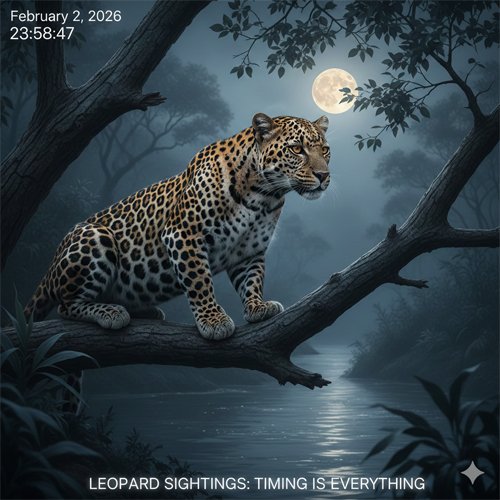
Yala boasts the world’s highest leopard density, with one leopard per square kilometer in certain zones. However, seeing these magnificent spotted cats requires strategic timing. The best time to do a Yala Safari for leopard encounters is unquestionably during the dry season months of February through June.
Leopard behavior patterns reveal that these territorial predators become more visible as they patrol their ranges around critical water sources. Early morning safaris (6:00 AM – 9:00 AM) and late afternoon sessions (3:00 PM – 6:00 PM) yield the highest success rates, as leopards actively hunt during these cooler periods.
Block 1 of Yala National Park, particularly around Patanangala Beach and the Maha Seelawa area, consistently produces exceptional leopard sightings. Experienced guides develop intimate knowledge of individual leopard territories and movement patterns, significantly enhancing sighting probabilities.
Elephant Encounters Throughout the Year
Yala hosts approximately 350 Asian elephants that remain resident year-round, making elephant sightings reliable regardless of season. However, the quality and intensity of encounters vary significantly with seasonal changes.
During the dry season, elephant herds congregate at major water reservoirs, creating opportunities to observe large groups engaged in bathing, social interactions, and feeding. The best time to do a Yala Safari for witnessing dramatic elephant gatherings is April through June, when up to 50-80 elephants may assemble at favored waterholes.
Wet season elephant viewing differs markedly, as animals disperse into dense jungle areas. While still present, elephants become more solitary or form smaller family units, and dense vegetation can obstruct viewing. However, the monsoon period offers unique opportunities to observe feeding behaviors as elephants take advantage of abundant fresh vegetation.
Birdwatching Paradise: Seasonal Migrations
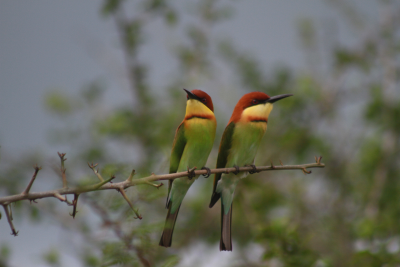
With over 200 recorded bird species, Yala ranks among Asia’s premier birdwatching destinations. The best time to do a Yala Safari for ornithological interests depends on whether you prioritize resident species or migratory visitors.
Resident species including Ceylon jungle fowl, painted storks, peacocks, and various endemic species remain observable year-round. Dry season months offer superior photography opportunities as birds concentrate around water sources and perch on exposed branches.
Migratory bird season runs from November through March, when numerous species arrive from Europe, Siberia, and northern Asia. Wetland areas burst with activity as thousands of waders, ducks, and wading birds take temporary residence. Purple herons, bar-tailed godwits, and various sandpipers join resident populations, creating spectacular diversity.
Weather Considerations and Safari Comfort
Weather directly impacts safari experiences, comfort levels, and wildlife visibility. Understanding seasonal weather patterns helps determine the best time to do a Yala Safari based on your tolerance for heat, rain, and humidity.
Dry season temperatures range from 25-35°C (77-95°F), with April and May being the hottest months. Open safari vehicles provide minimal shade, so sun protection is essential. However, the guaranteed sunny conditions ensure consistent safari schedules and excellent photography lighting.
Wet season brings cooler temperatures (23-30°C / 73-86°F) and high humidity levels. Afternoon thunderstorms are common but typically brief. While rain can temporarily disrupt safaris, the cooler conditions and dramatic skies offer unique photographic opportunities. Waterproof gear and flexible scheduling become essential during these months.
Crowd Management: Avoiding Peak Tourist Periods
Yala’s popularity means certain periods attract substantial visitor numbers, potentially diminishing the wilderness experience. Strategic timing can help you avoid crowds while still benefiting from optimal wildlife viewing.
Peak tourist season coincides with the best time to do a Yala Safari for wildlife (February-April), when European winter tourists and Sri Lankan school holidays overlap. Popular sighting locations can attract 15-20 vehicles simultaneously, creating congestion and disturbing animals.
Strategic approaches to minimize crowds include booking very early morning safaris (6:00 AM departures), choosing weekday visits over weekends, focusing on Blocks 2-5 rather than the heavily visited Block 1, or visiting during shoulder months like January or late June. Private safaris offer greater flexibility to explore less-traveled areas.
Budget Considerations Across Seasons
Safari costs fluctuate significantly based on seasonal demand. Understanding pricing patterns helps budget-conscious travelers determine the best time to do a Yala Safari while maximizing value.
Peak season rates (February-June) reflect high demand, with accommodation, safari packages, and guide fees at premium levels. Expect to pay 30-50% more compared to off-season periods. However, the superior wildlife viewing often justifies the investment for serious wildlife enthusiasts.
Monsoon season (October-January) offers substantial savings, with many lodges and operators reducing rates by 40-60%. Budget travelers can access luxury accommodations at mid-range prices. Despite reduced wildlife visibility, the savings combined with unique wet season experiences create compelling value for flexible travelers.
Photography Opportunities by Season
Wildlife photographers face different opportunities and challenges depending on seasonal conditions. The best time to do a Yala Safari for photography depends on your specific creative objectives.
Dry season photography benefits from sparse vegetation providing unobstructed views, dusty atmospheric conditions creating dramatic golden hour effects, and predictable wildlife positions allowing for prepared compositions. The harsh midday light can be challenging, but dawn and dusk sessions produce spectacular results.
Wet season photography trades easier wildlife access for dramatic landscape opportunities. Lush green backgrounds, dynamic weather patterns, and reflective water surfaces create unique artistic possibilities. Migratory bird photography reaches its peak, and the reduced visitor numbers allow for patient, undisturbed shooting opportunities.
Expert Recommendations: Matching Interests to Timing
Based on extensive field research and guide expertise, here are specific recommendations for determining the best time to do a Yala Safari based on your primary interests:
For leopard enthusiasts: February through June, with April-May being optimal. Book early morning and late afternoon safaris in Block 1.
For birdwatchers: November through March for migratory species; February-April for overall diversity combining residents and migrants.
For elephant viewing: April through June for massive congregations; year-round for reliable sightings.
For photography: March through May for wildlife; November-January for landscapes and atmospheric conditions.
For budget travelers: October through January, accepting reduced wildlife visibility in exchange for significant savings.
For avoiding crowds: January, late June, or wet season months; consider Blocks 2-5 over Block 1.
Conclusion
Determining the best time to do a Yala Safari ultimately depends on balancing wildlife priorities, weather preferences, budget constraints, and tolerance for crowds. For the majority of visitors seeking spectacular leopard encounters and diverse wildlife viewing, the dry season months of February through June represent the optimal window, with April and May standing out as peak months.
However, Yala offers year-round value for visitors with specific interests. Birdwatchers find exceptional opportunities during the wet season migration period, budget travelers benefit from monsoon season savings, and photographers can capture unique perspectives across all seasons.
Regardless of when you visit, partnering with experienced guides, booking early morning or late afternoon safaris, and maintaining realistic expectations ensures a memorable wildlife experience. Yala’s remarkable biodiversity and stunning landscapes guarantee that any season offers something extraordinary for nature enthusiasts willing to embrace the park’s seasonal rhythms.
Frequently Asked Questions (FAQs)
Q1: What is the absolute best month to visit Yala for leopard sightings?
May and June consistently produce the highest leopard sighting rates, with success rates exceeding 70% on early morning and late afternoon safaris. April is also exceptional. These months coincide with peak dry season when leopards concentrate around limited water sources.
Q2: When does Yala National Park close, and why?
Yala closes entirely during September each year for essential maintenance, conservation work, and to provide wildlife with an undisturbed breeding period. This annual closure is strictly enforced, so plan your visit for any other month. Nearby parks like Wilpattu remain open during this period.
Q3: Is it worth visiting Yala during the rainy season?
Yes, particularly for birdwatchers, budget travelers, and those seeking solitude. The wet season (October-January) offers dramatically lower prices, minimal crowds, spectacular birdwatching with migratory species, and lush landscapes. However, wildlife sightings, especially leopards, are less frequent and predictable compared to the dry season.
Q4: How early should I book my Yala safari?
For peak season visits (February-June), book at least 2-3 months in advance to secure preferred accommodations and experienced guides. During peak periods like April-May, some premium properties fill up 4-6 months ahead. Off-season bookings can be made with shorter notice, though quality guides still warrant early reservation.
Q5: What time of day is best for wildlife viewing in Yala?
Early morning safaris (6:00 AM – 9:00 AM) and late afternoon sessions (3:00 PM – 6:00 PM) produce the best wildlife activity and sightings. Animals are most active during these cooler periods and retreat to shade during the hot midday hours. Dawn and dusk also provide superior lighting conditions for photography.
Q6: Can I see elephants year-round in Yala?
Yes, Yala’s resident elephant population of approximately 350 individuals remains in the park throughout the year, making elephant sightings reliable regardless of season. However, the dry season (particularly April-June) offers the most spectacular viewing opportunities when large herds congregate at major water reservoirs.
Q7: How does crowd size vary throughout the year?
Crowd sizes peak during February-April, particularly on weekends and during Sri Lankan school holidays. Block 1 attracts the most visitors. To minimize crowds, visit during January, late June, or wet season months (October-January), book weekday safaris, or explore the less-visited Blocks 2-5. Very early morning departures also encounter fewer vehicles.
Q8: What should I pack differently for dry season versus wet season safaris?
Dry season essentials include strong sun protection (high SPF sunscreen, wide-brimmed hat, sunglasses), lightweight breathable clothing in neutral colors, and significant water supplies. Wet season requires waterproof camera protection, rain jacket or poncho, quick-dry clothing, and possibly insect repellent. Both seasons benefit from binoculars and camera equipment with appropriate lenses.
Q9: Are there any wildlife viewing guarantees during peak season?
No safari can guarantee specific wildlife sightings as animals roam freely in their natural habitat. However, during peak dry season months (April-May), leopard sighting probabilities exceed 70% on properly timed safaris with experienced guides. Elephant, deer, water buffalo, and bird sightings approach near certainty during these months.
Q10: How long should I stay in Yala to maximize wildlife viewing opportunities?
A minimum of 2-3 days with multiple safari sessions significantly increases your chances of diverse wildlife encounters and memorable sightings. This allows for 4-6 safari sessions covering different times of day and various park blocks. Single-day visits can be rewarding during peak season but provide limited opportunities to overcome the natural unpredictability of wildlife behavior.